José Ramón Lerma

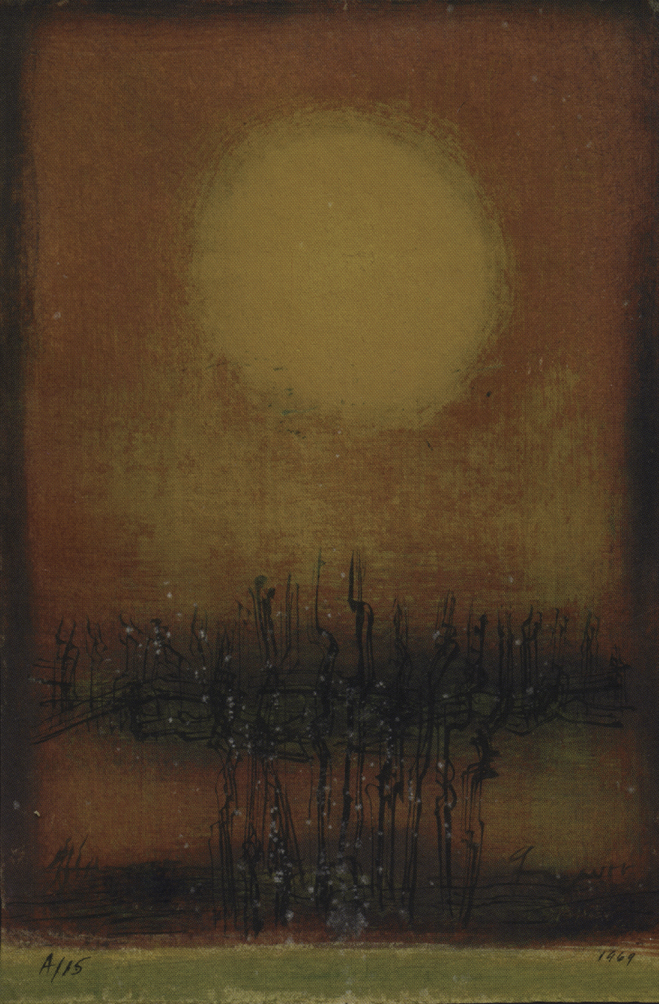
José Ramón Lerma was born in 1930 in the Salinas Valley. Lerma came to San Francisco in 1950 and was one of the first Latino students to study at the California School of Fine Arts, now SFAI. Lerma was soon drafted into the Intelligence Division of the U.S. Army at the start of the Korean War. He was stationed close to the front and his experiences there transformed him as a person and as an artist. He returned to San Francisco and the San Francisco Art Institute to resume his studies in the mid 50’s studying under Jean Varda, Nathan Oliviera and Edward Corbett. Lerma immersed himself in the San Francisco that was the home of Beat Culture and an important center for Abstract Expressionism. Lerma’s peers include Wallace Berman, George Herms, Roy De Forest, Bruce Conner, Manuel Neri, William T. Wiley, Luis Cervantes and Jay DeFeo. He was integral to the burgeoning gallery scene in San Francisco in the early 60’s having solo exhibitions at seminal gallery spaces the East-West Gallery, The Cellar, Spatsa Gallery, Russian Hill Gallery and most recently a major retrospective of his paintings, collages and constructions from 1954-2000 was held at Intersection for the Arts. 

Lerma has also participated in numerous group exhibitions including the Oakland Museum, The San Francisco Museum of Art, The Sonoma County Museum, Galeria de la Raza, Gallery Sanchez, Somar Gallery, Mission Cultural Center, Richmond Art Center, La Raza Graphics Center, and the Walter and McBean Galleries at SFAI. His work has also been exhibited nationally including the Chicago Museum of Contemporary Art, Museum of Albuquerque, Los Angeles Municipal Art Gallery, Evergreen State College, and Tuscon Museum of the Arts. Lerma lives and works in Oakland, CA. ArtZone 461 GalleProxy-Connection: keep-alive
Cache-Control: max-age=0

(www.artzone461.com) is proud to present a survey of works (1947 to date) by Jose Ramon Lerma to celebrate his accomplishments during National Hispanic Heritage Month and announce a more complete retrospective in February of 2010.

Source: San Francisco Art Institute website, notable alumni biographies.

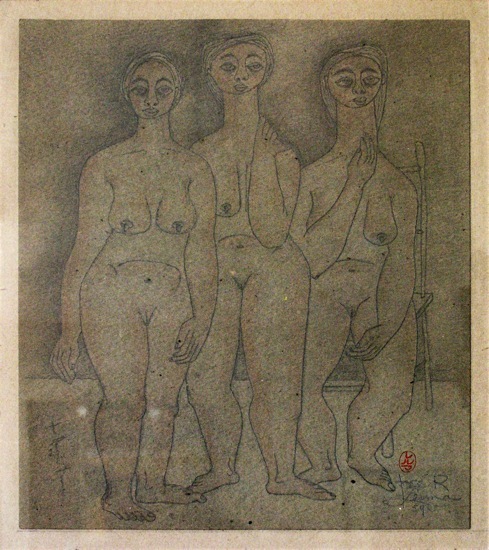
 José Ramón LermaNude 3 (1954)

 José Ramón LermaAbstract (1959)

 José Ramón Lerma
Mother Earth (1988)

 José Ramón LermaChrist of Polish (1976)

 José Ramón LermaJosé Ramón Lerma, 2007


JoseRLerma RayAnderson20161 520x414 José Ramón Lerma

Jose Ramon Lerma, by Ray Anderson, 1960

JoseRLerma RayAnder1960011 520x414 José Ramón Lerma

Jose Ramon Lerma, by Ray Anderson, 1960

Download CV [pdf]


Win Ng

dhd9nvg9 14d87trbhr b 520x261 Win Ng
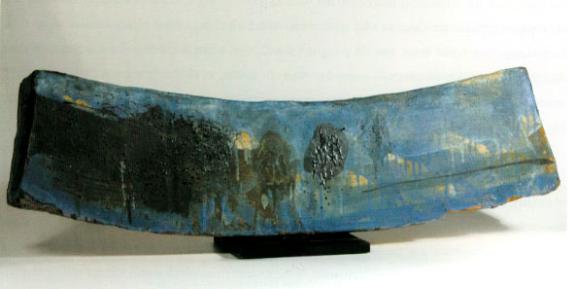
Wave (1959)

Born in San Francisco’s Chinatown, Win Ng established his reputation as a master ceramist, with an initial focus on abstract, non-utilitarian works in the tradition of Peter Voulkos. Raised in Chinatown, he attended Saint Mary’s Academy for six years where he studied Chinese language. Later, he attended City College of San Francisco, and San Francisco State. After discharge from the army, he resumed his studies in ceramics at the California School of Fine Arts (later known as the San Francisco Art Institute), and received his BFA in 1959. In1960, he attended Mills College, but never completed his MFA.

In 1958 he had his first one man show at the Michow Gallery in New York, then, in 1961, was represented by Braunstein Gallery in San Francisco (now the Braunstein/Quay Gallery) who continues to represent his work posthumously. Many traditional critics feel that Ng’s important work dates from 1958 to 1965, the years before he shifted his creative output from gallery art to more functional work.

This “functional” work was a collaborative entrepreneurial endeavor with artist Spaulding Taylor. As co-founder of Environmental Ceramics (later to be named Taylor & Ng), Win Ng established himself as a consummate decorative designer and innovative entrepreneur. Taylor & Ng shifted the paradigm in retail merchandising by raising the awareness and perception of the mass market toward finely wrought hand-crafted artware, and in the process became the model for many culinary and speciality stores to follow. The Chinese Wok was just one of many objects Taylor & Ng help to popularize.

Following a twenty-year journey (from 1965 to 1985) Taylor & Ng grew from a small ceramics shop on Howard Street, to a mega, multi-level emporium at Embarcadero Center. There were also stores at the Stanford Shopping Center and other Bay Area locations as well a Taylor & Ng shop inside Macy’s in New York.

But Ng continued with his fine art even during this two-decade decorative period. He produced a veritable torrent of work—thrown ceramic bowls, pots, bottles, vases, dishes, slab constructions, sculptures in earthenware and metal, paintings, drawings, book illustrations, as well as hundreds of decorative designs for Taylor & Ng—in scales ranging from minute to monumental. And while this public departure from the purely fine art realm may have cost him an ongoing reputation in the gallery/museum world, it was his renewed focus on fine art in the final years of his life, as well as his innovations in decorative and ceramic arts that underscore his important contribution as a post-modern artist. In the last decade of his life (1981-1991) Win Ng would leave the retail world and re-visit in earnest his deep passion, “bringing together in one integrated work” his artful life.

- Allen R. Hicks

untitledearthware sculpture.1983Ng 520x510 Win Ng
Untitled
Earthware sculpture, 1983


Robert Colescott

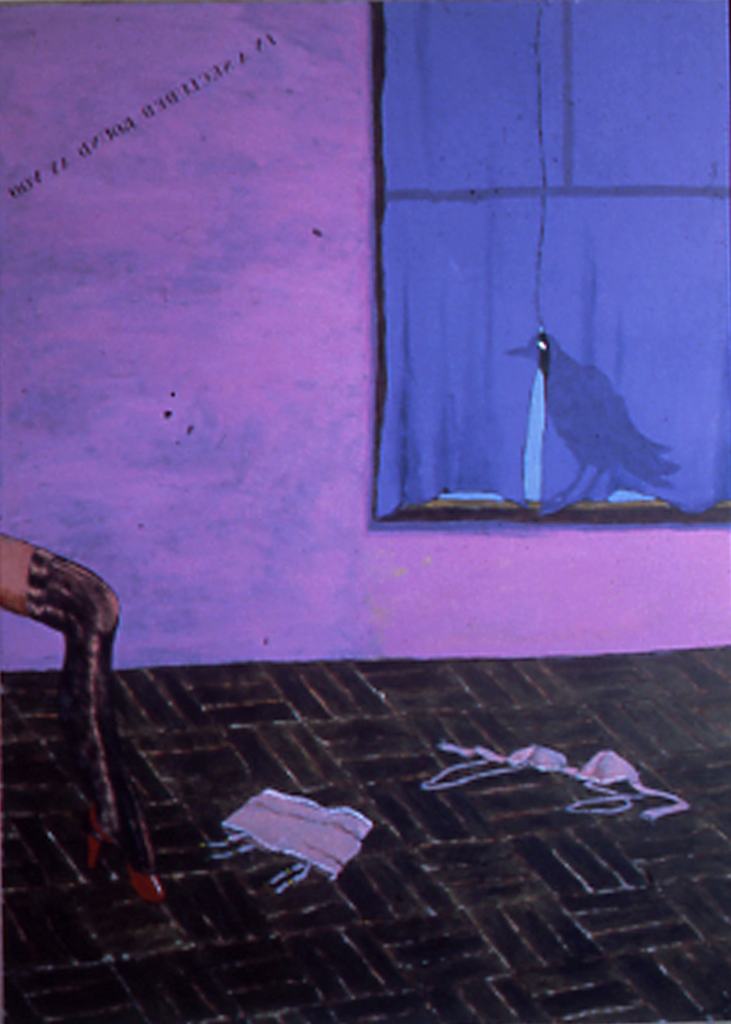
Colescott Crow in Window 513x720 Robert Colescott
Crow In Window
Acrylic on Canvas, 4″ x 5″, 1978
Read more »


Manuel Neri

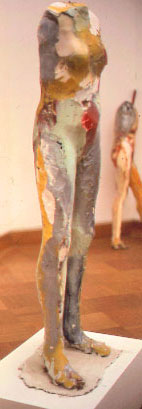
Neri Standing Plaster Figure Manuel Neri
Standing Plaster Figure
Enamel on plaster, 5 1/2″x6 1/4″, 1959
Read more »


Luis Cervantes

Luis Cervantes 1 Luis Cervantes

Luis Cervantes, 1923-2005 – artist, painter, sculptor, philosopher, and muralist who inspired generations of artists.

“He was passionate about creating a message about one’s roots. ” Luis Cervantes and his wife, Susan Kelk Cervantes, opened the New Mission Gallery in the 1960s, and in 1977, they started Precita Eyes Muralists, whose mission is to produce urban community art through collaborations. Mr. Cervantes directed many of the nonprofit’s projects, including “The Cross of Quetzalcoatl” at San Francisco State’s student union, “The Precita Valley Vision” at the Precita Valley Community Center and “Si Se Puede” at Cesar Chavez Elementary School in San Francisco.

Mr. Cervantes was born in Santa Barbara. He enlisted in the U.S. Army Corps of Engineers in 1942 and served in England, Belgium and France with the 358th Engineer General Service Regiment. Mr. Cervantes was among the invasion forces at Normandy on D-Day.

After World War II, Mr. Cervantes moved to San Francisco and found work as a custom mattress maker with the McRoskey Airflex Mattress Company, his employer until his retirement in 1992. He served as president of the San Francisco Furniture Workers Union for two years. Mr. Cervantes used his G.I. Bill scholarship to study sketching and sculpture at San Francisco State College and ceramic sculpture at the College of Marin and the San Francisco Art Institute.

His sculptures have been shown at the M.H. de Young Museum and the San Francisco Museum of Modern Art. Mr. Cervantes, who abandoned ceramic sculptures in the 1970s to concentrate on painting with acrylics, taught at the Museum of Modern Art, San Francisco State, the Galeria De La Raza and other venues. His work is in the permanent collection of the Oakland Museum and many private collections.

In 1990, he and his wife participated in the Ecological Arts Collaboration, a cultural exchange between American and Russian artists. The couple visited Russia three times and produced two murals in St. Petersburg and one in Moscow. Mayor Gavin Newsom proclaimed April 6 “Luis and Susan Cervantes Day.”
Luis Cervantes 2 Luis Cervantes


Leo Valledor

dgkkg2j9 39fw2cngf3 b 520x257 Leo Valledor
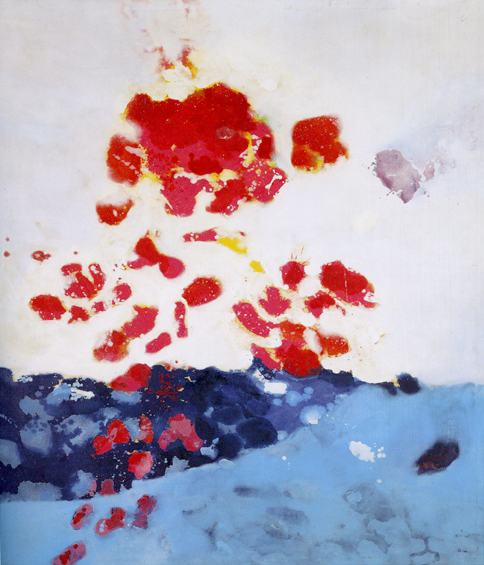
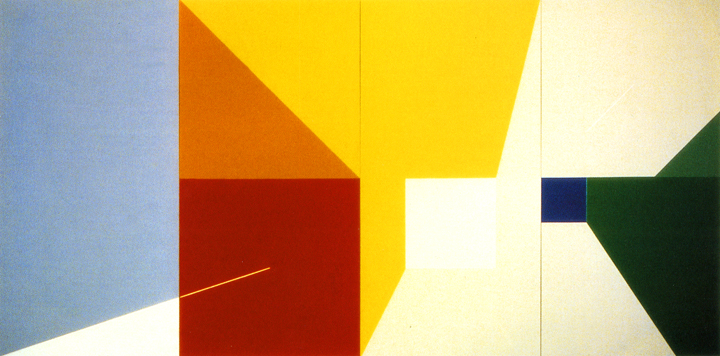
Four Seasons (1980)
Read more »


Jose Montoya

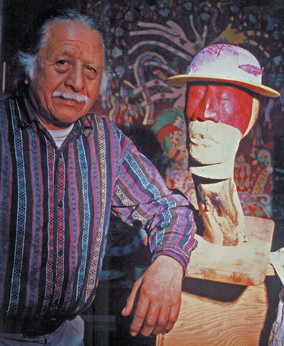
montoya1 520x513 Jose Montoya
Read more »


George Miyasaki

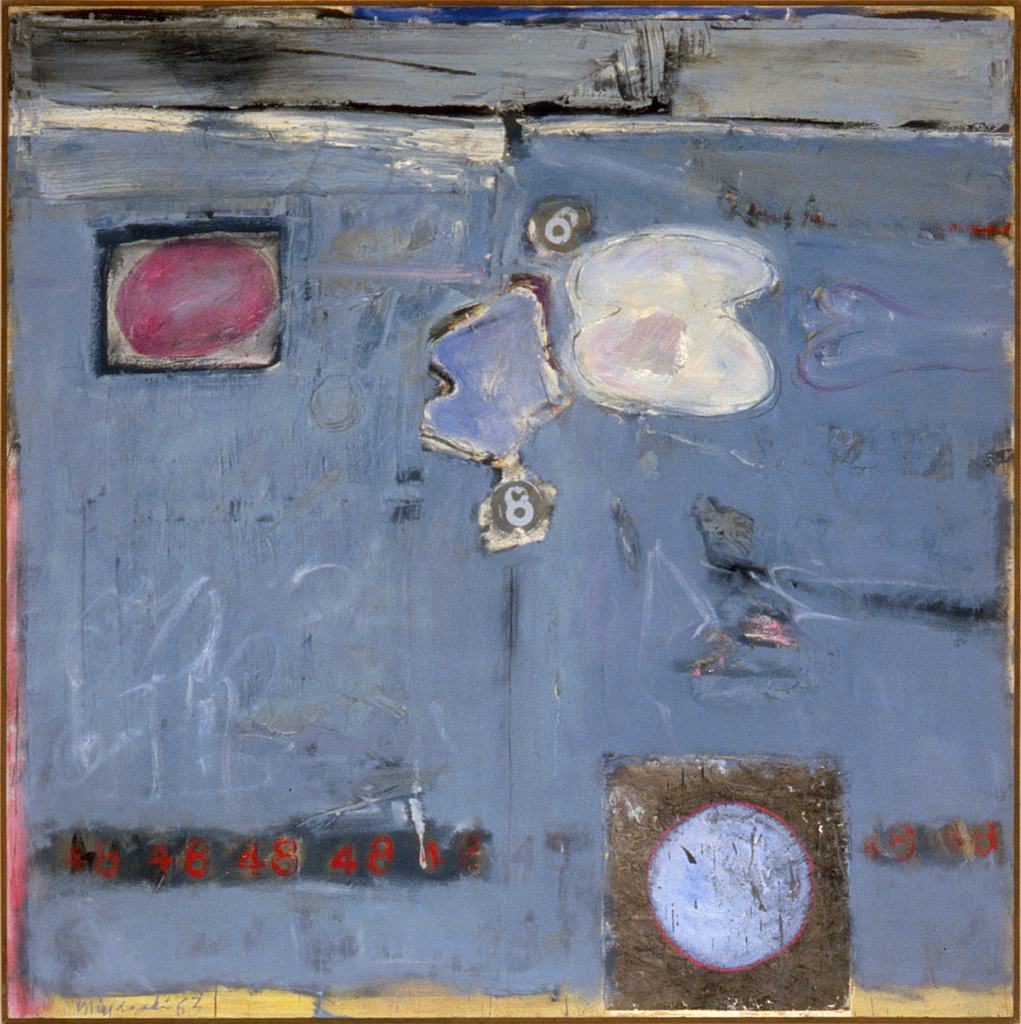
Miyasaki Red48 520x521 George Miyasaki
Red 48
Oil on canvas, 1963
Read more »


Gary Woo

woo 472x720 Gary Woo

Gary Woo was an acclaimed abstract painter who worked in San Francisco for five decades.

Born in Guangzhou, China, in 1925, Woo relocated to San Francisco in 1939. After serving in World War II, Woo studied briefly at the San Francisco Art League and the California School of Fine Arts. His abstract painting was related to the Chinese calligraphy he had learned from his father, and Woo’s interest in the glazed surfaces of Chinese ceramics. Woo’s work was recognized with awards, positive reviews and prestigious exhibition invitations during the 1950s and 1960s, and the North Beach studio which he shared with his wife, acclaimed art educator Yolanda Garfias, became an inspiring destination.

After their studio lease expired in 1972, the couple moved to a small house on the southern edge of San Francisco near Daly City. Although he continued to paint until his death in 2006, Woo exhibited less frequently in his later years.

Gary Woo 2 520x719 Gary Woo<%2Proxy-Connection: keep-alive
Cache-Control: max-age=0

>

Gary Woo CV


Esteban Villa

st IMG 1561 900kb Esteban Villa
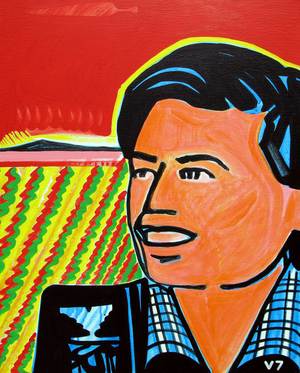
Ceasar Chavez
Read more »


Dewey Crumpler

Crumpler Untitled 12 520x386 Dewey Crumpler
Untitled #12
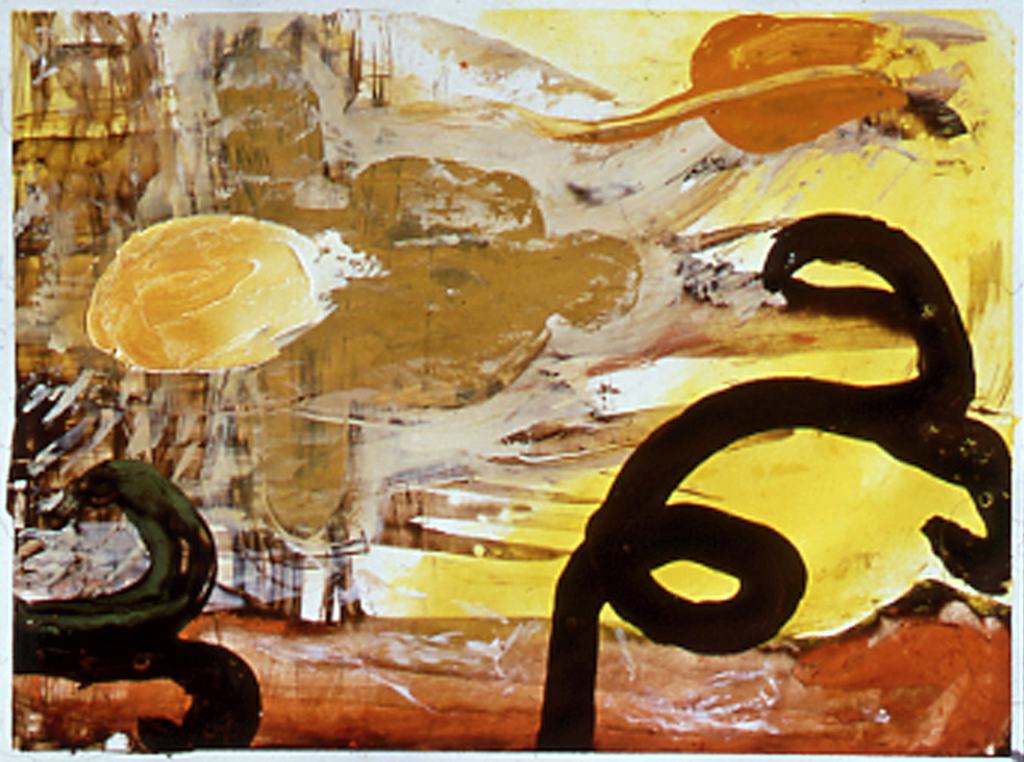
Mixed-Media on Paper, 24″x32″, 1998
Read more »


Sung Woo Chun

ChunSungWoo 61 Sung Woo Chun
The Joy of Ancients
Oil on Canvas, 70 x 62 inches, 1961
Read more »


Carlos Villa

mask unmask 516x720 Carlos Villa
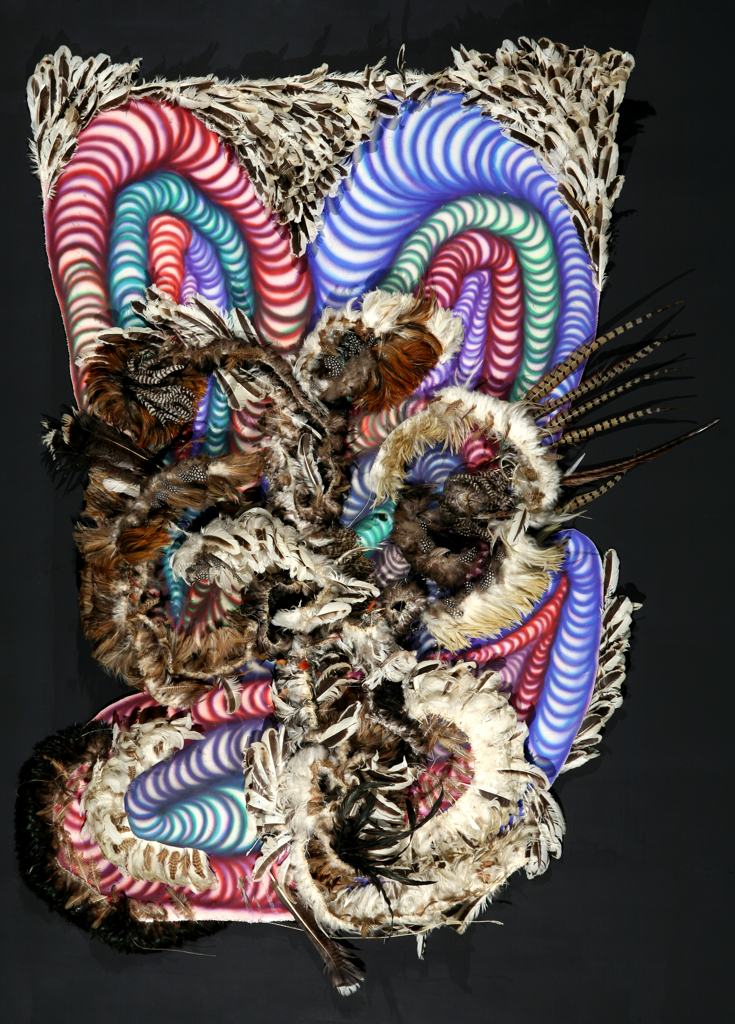
Mask – Unmask
Feathers, acrylic on unstretched canvas
Read more »


Jimi Suzuki

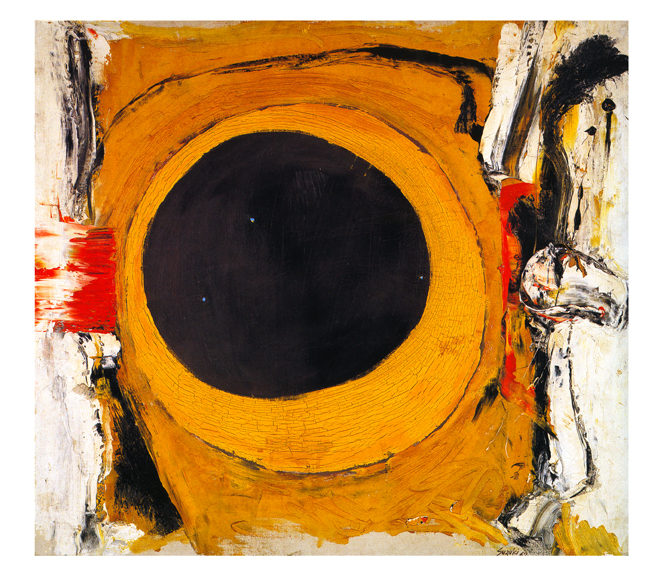
Black HoleBlack Hole
Oil on Canvas, 33 x 30 inches, 1962

Read more »