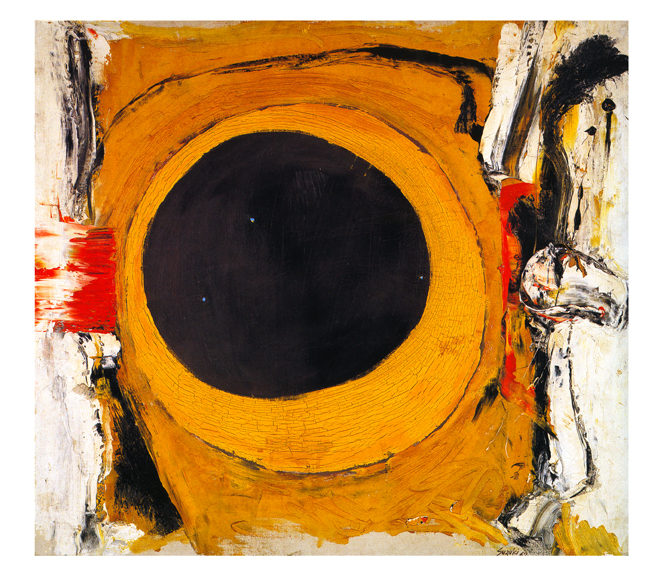
José Ramón Lerma
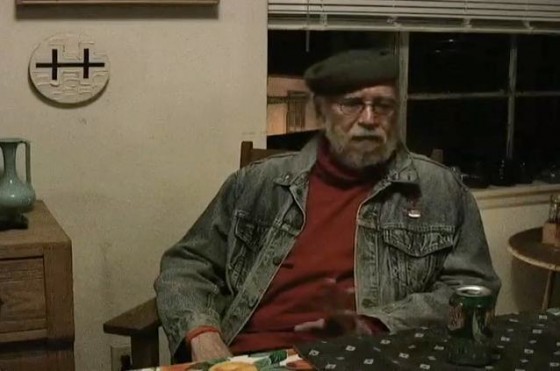
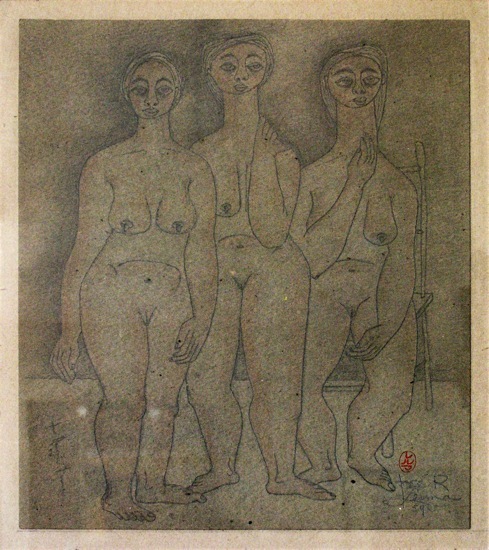
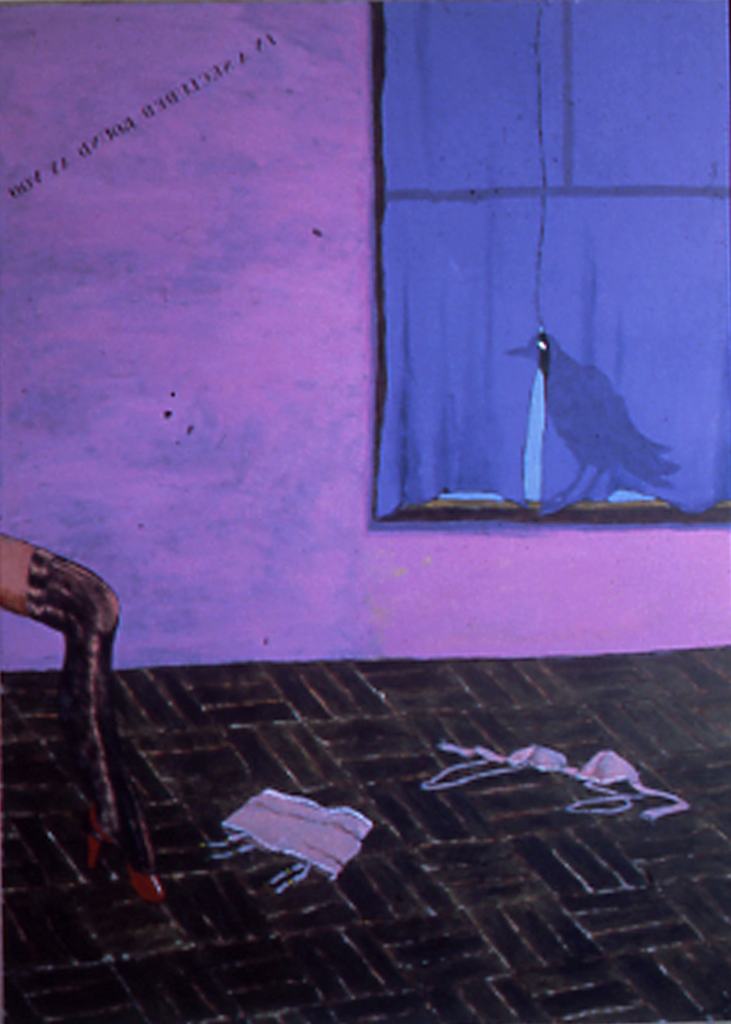
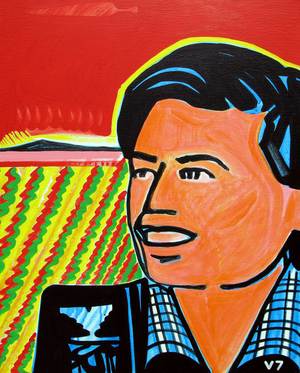
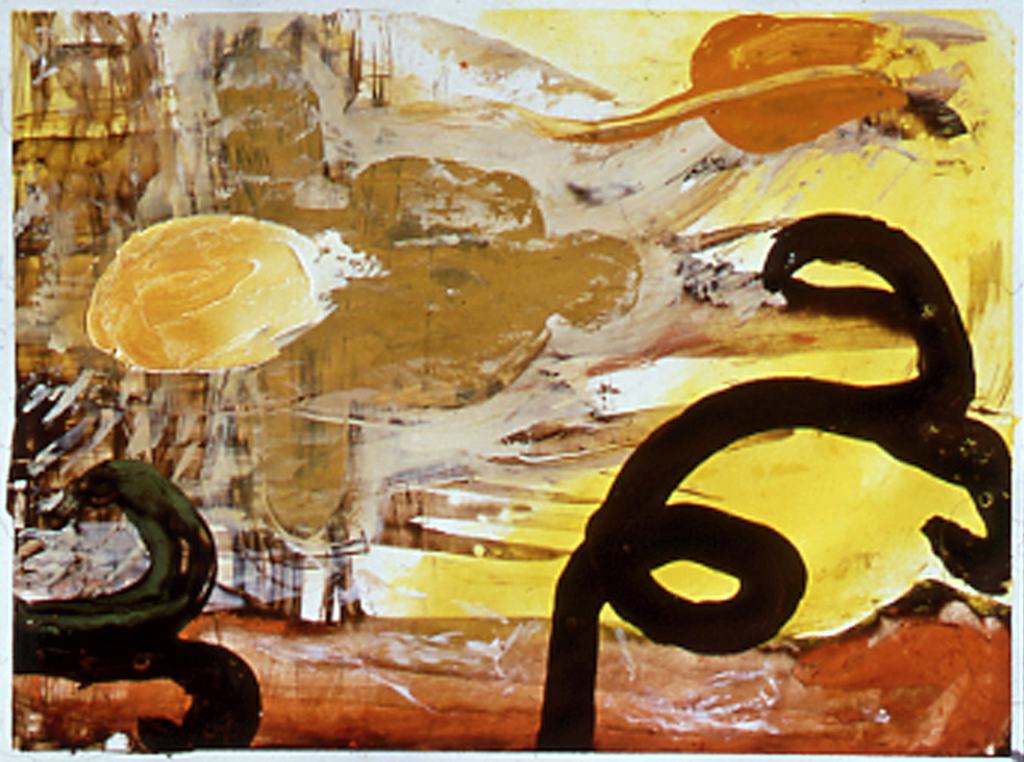
José Ramón Lerma was born in 1930 in the Salinas Valley. Lerma came to San Francisco in 1950 and was one of the first Latino students to study at the California School of Fine Arts, now SFAI. Lerma was soon drafted into the Intelligence Division of the U.S. Army at the start of the Korean War. He was stationed close to the front and his experiences there transformed him as a person and as an artist. He returned to San Francisco and the San Francisco Art Institute to resume his studies in the mid 50’s studying under Jean Varda, Nathan Oliviera and Edward Corbett. Lerma immersed himself in the San Francisco that was the home of Beat Culture and an important center for Abstract Expressionism. Lerma’s peers include Wallace Berman, George Herms, Roy De Forest, Bruce Conner, Manuel Neri, William T. Wiley, Luis Cervantes and Jay DeFeo. He was integral to the burgeoning gallery scene in San Francisco in the early 60’s having solo exhibitions at seminal gallery spaces the East-West Gallery, The Cellar, Spatsa Gallery, Russian Hill Gallery and most recently a major retrospective of his paintings, collages and constructions from 1954-2000 was held at Intersection for the Arts.
Lerma has also participated in numerous group exhibitions including the Oakland Museum, The San Francisco Museum of Art, The Sonoma County Museum, Galeria de la Raza, Gallery Sanchez, Somar Gallery, Mission Cultural Center, Richmond Art Center, La Raza Graphics Center, and the Walter and McBean Galleries at SFAI. His work has also been exhibited nationally including the Chicago Museum of Contemporary Art, Museum of Albuquerque, Los Angeles Municipal Art Gallery, Evergreen State College, and Tuscon Museum of the Arts. Lerma lives and works in Oakland, CA. ArtZone 461 GalleProxy-Connection: keep-alive
Cache-Control: max-age=0
(www.artzone461.com) is proud to present a survey of works (1947 to date) by Jose Ramon Lerma to celebrate his accomplishments during National Hispanic Heritage Month and announce a more complete retrospective in February of 2010.
Source: San Francisco Art Institute website, notable alumni biographies.
José Ramón Lerma, 2007
Download CV [pdf]
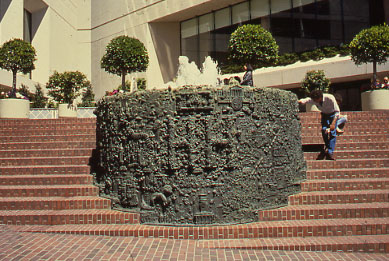
Susan Kelk Cervantes
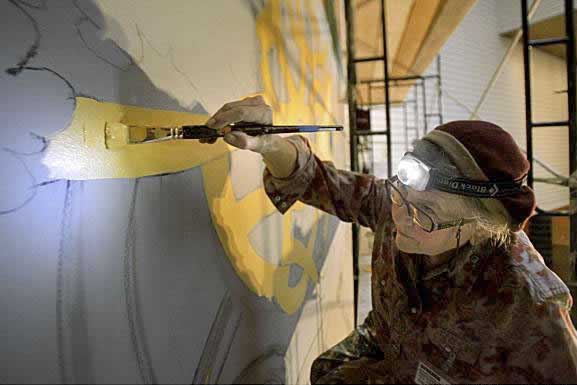
Susan Kelk Cervantes, muralist and dedicated artist for 47 years, a pioneer of the SF community mural art movement, and the founder and director of the Precita Eyes Muralists in the Mission District of San Francisco. Established in 1977, Precita Eyes is one of only a handful of community mural arts centers in the United States.
Influenced by the Mujeres Muralistas, the first collaborative group of women muralists, Cervantes has applied the same process of accessible, community art to any size mural or age group through community mural workshops.
Cervantes is responsible for more than 400 murals (including the murals on the Women’s Building) considered some of the finest in the country. She is dedicated to enhancing the environment through the creation of murals while involving and educating the community about the process and history of public community mural art. Her deep commitment to collaboration guarantees that the creative work produced is accessible, both physically and conceptually, to the people whose lives it impacts.
“The mural movement itself is ethnically based. When you get ready to create a mural somewhere you’re sensitive to that place and its history. We’re constantly finding new ways to express the history that we all share and make it more visible. Murals beautify and enhance a drab environment, just the colors alone. They are uplifting, life affirming.”
“Murals are a real peoples art. People feel it is for them and about them. It concerns their hopes and dreams for a better future for everyone.”
“Balmy Alley is a mural destination for visitors. As the coordinator of the mural restoration project, I feel that it is most important to start there, and then work outward.”
“A mural is a bridge to the community. The artists communicate with the people; meetings are held to discuss the issues. The result is a reflection, a mirror of that community.”
“I don’t think of any one culture while I am painting. I try to bring out what’s common in people. Hopefully they’ll see themselves in my work.”
“I don’t think that there should be any restrictions or censorship placed by governments on artists. I certainly feel visual information has a lot of power, but people should not fear it.”
“My social responsibility as a public artist is to reflect the diversity of a community.”
“People in the community have concerns, and it is important that they have a voice. Public art gives people that voice. It gives them the visibility of the hopes and dreams of their community.”
“We believe hat through the various processes of creating public art, youth develop as artists and gain confidence in their ability to have a voice in the cultural life and the positive transformation of their city.”
“Their vision is ours. This is our home, where we live and raise our families. We are proud of it.”
“Every single kid has a design in this mural. No one was excluded from that opportunity, so they all feel that they’re a part of it, and not separate from it… so it’s really truly their mural.”
“It is great being outside and painting really large, but more important was I saw how muralists worked with each other in a collaborative way, and respected each other’s efforts, and trying to paint what was important. And then the passersby would offer comments and I realized how important it was for artists to be visible to the community, and how good it was to have art become part of everyday life.”
“Everyday you should be able to walk outside and see something being created. ”
“Art is not part of what we see, and not part of what our children see. It’s so sad. I see cultural genocide occurring. There’s a whole generation of kids without exposure to art. They haven’t learned about what’s inside them.”
“When we express our feelings through art, it’s a release. It makes you begin to care and have compassion for things around you, if you see yourself in something you’ve made.”
“There is an artist within everyone and if everyone were creating something at the same moment there would be peace felt all over the world. ”
-Susan Cervantes
Please visit Susan Cervantes’ website: www.susankcervantes.com
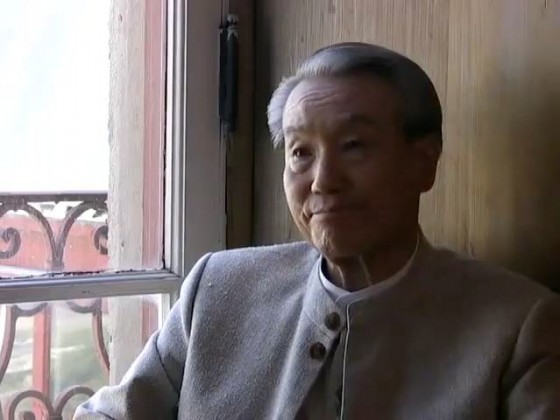
Gary Woo
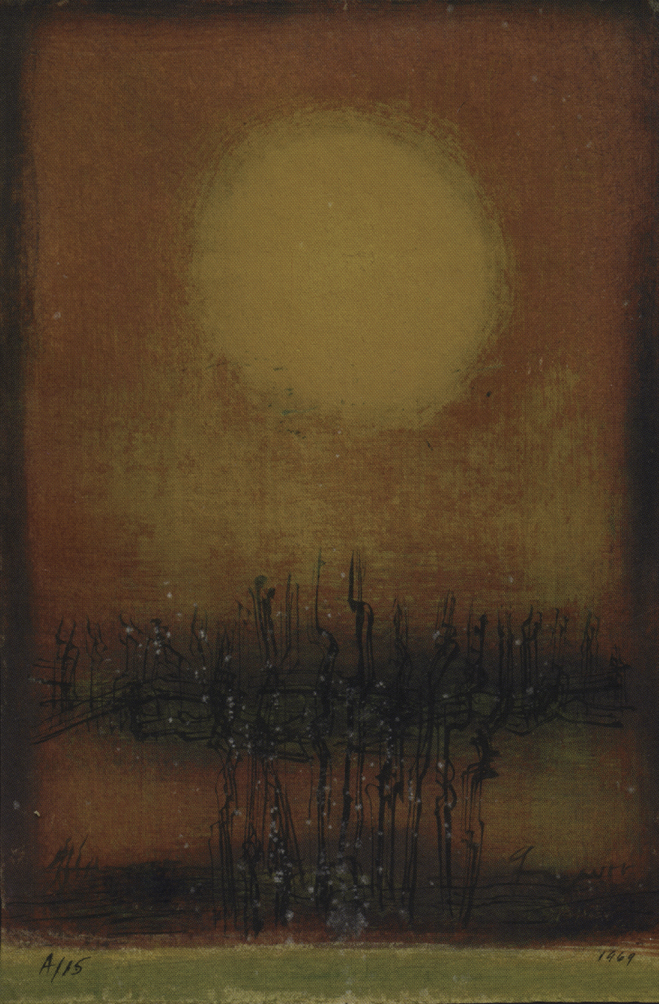
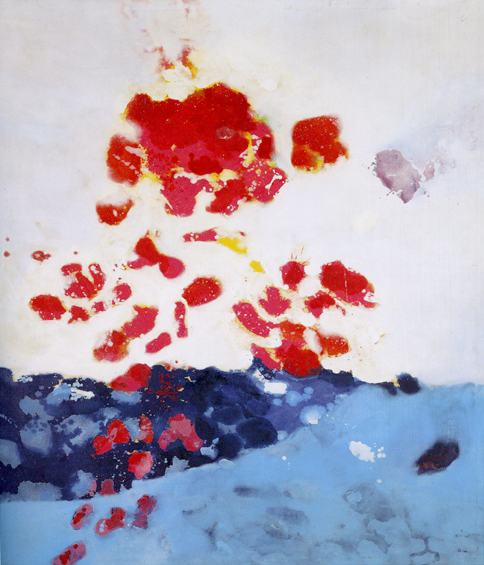
Gary Woo was an acclaimed abstract painter who worked in San Francisco for five decades.
Born in Guangzhou, China, in 1925, Woo relocated to San Francisco in 1939. After serving in World War II, Woo studied briefly at the San Francisco Art League and the California School of Fine Arts. His abstract painting was related to the Chinese calligraphy he had learned from his father, and Woo’s interest in the glazed surfaces of Chinese ceramics. Woo’s work was recognized with awards, positive reviews and prestigious exhibition invitations during the 1950s and 1960s, and the North Beach studio which he shared with his wife, acclaimed art educator Yolanda Garfias, became an inspiring destination.
After their studio lease expired in 1972, the couple moved to a small house on the southern edge of San Francisco near Daly City. Although he continued to paint until his death in 2006, Woo exhibited less frequently in his later years.
<%2Proxy-Connection: keep-alive
Cache-Control: max-age=0
>
Bernice Bing
Bernice Bing, a native San Franciscan of Chinese heritage, received a National Scholastic Award to attend California College of Arts and Crafts (now California College of the Arts), where she studied with Richard Diebenkorn, Saburo Hasegawa and Nathan Oliveira. She transferred to the San Francisco Art Institute to work with Elmer Bischoff and Frank Lobdell, earning a Bachelor of Fine Arts (B.F.A.) degree with honors. She continued her studies in the San Francisco Art Institute graduate program, and in 1961 earned a Master of Fine Arts (M.F.A.) degree.
Ms. Bing was instrumental in establishing the South of Market Cultural Center (SomArts) as a nonprofit organization. She pioneered the SomArts Gallery Space, worked with the neighborhood Arts and CETA programs for fifteen years, serving as a panelist on the National Endowment for the Arts Expansion Program in 1968 and 1969.
The fall and winter of 1984-85, Ms. Bing visited Korea and Japan and traveled extensively in China, where she presented slide lectures of American Abstract Expressionism to art students. She spent six weeks studying Chinese calligraphy with Wang Dong Ling and Chinese landscape painting with Professor Yang at the Zhejiang Art Academy in Haungzhou, an experience which has inspired the unification of Eastern and Western ideologies in her abstract paintings.
After serving over two decades to the development of community arts programs, Ms. Bing returned to concentrate on her art. In 1991, Ms. Bing was invited to do a one-person exhibition at SomArts Gallery (3,000 sq. ft.) in which she presented new work. Since then, 1995-1997, she was invited to major exhibitions across the United States. In 1996, Ms. Bing was selected by the National Women’s Caucus for the Arts Visual Arts Honor Award, in conjunction with a group exhibition at the Rose Museum, Brandeis University in Massachusetts.
In 1997-98, Ms. Bing was invited to participate in a major traveling exhibition, “Asian Tradition/Modern Expression, 1945-1970,” organized by The Jane Vorhee Zimmerli Art Museum in cooperation with the Rutgers University of New Jersey. After traveling to New York, Chicago and Los Angeles, the exhibition was shown in Taiwan in the spring of 1998.
In 1998, Bing’s work was part of a traveling exhibition of abstract painters who are primarily influenced by Asian cultures, entitled “Women On the Silk Road.” The show premiered in San Francisco and then traveled to venues along the silk road trade route in Asia and Europe, including Dhanghi, Hang Chow and Bei-jing, China.

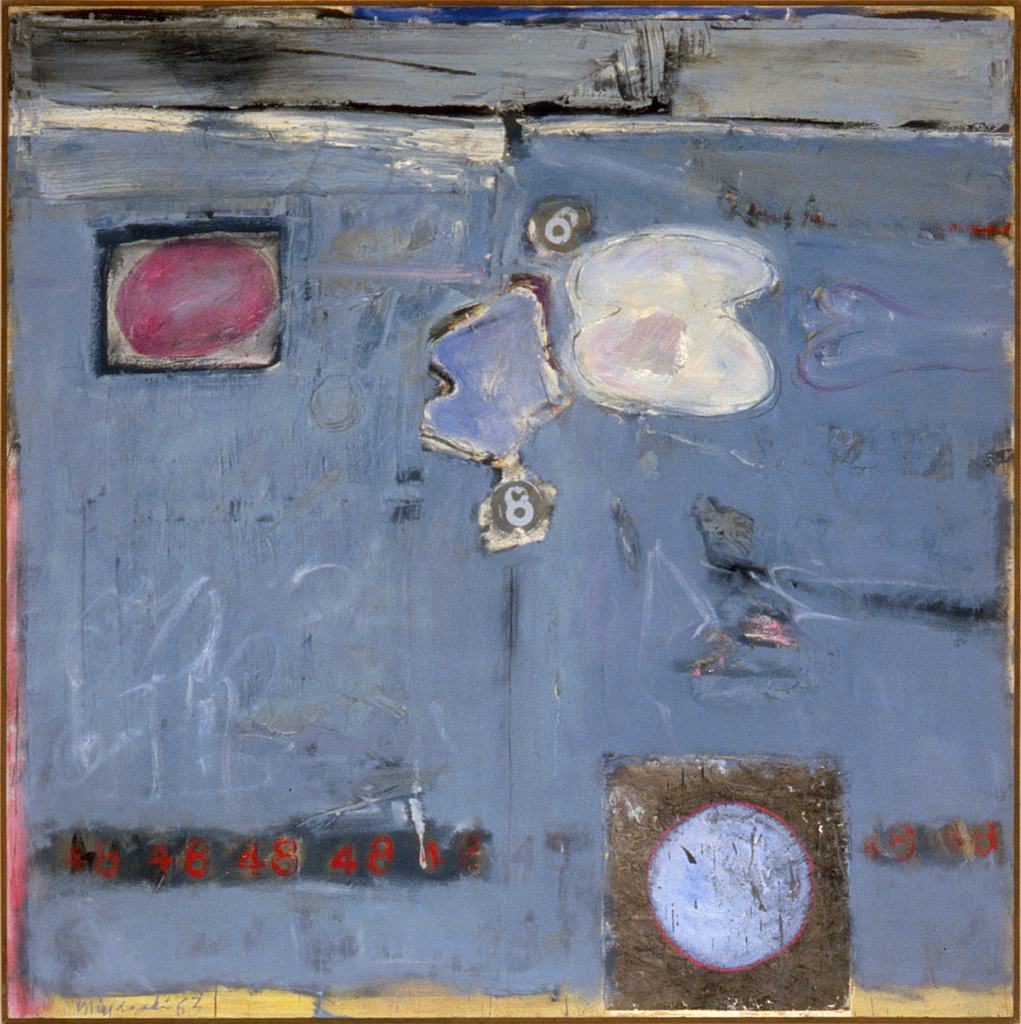
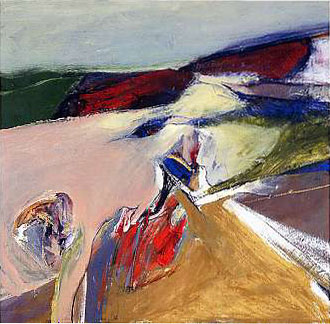
Mayacamas No. 6 Oil on canvas, 49" x 48", 1963 Permanent collection, de Young Museum, San Francisco, CA
View a conversation with Lenore Chinn on Bernice Bing
Download CV [pdf]